
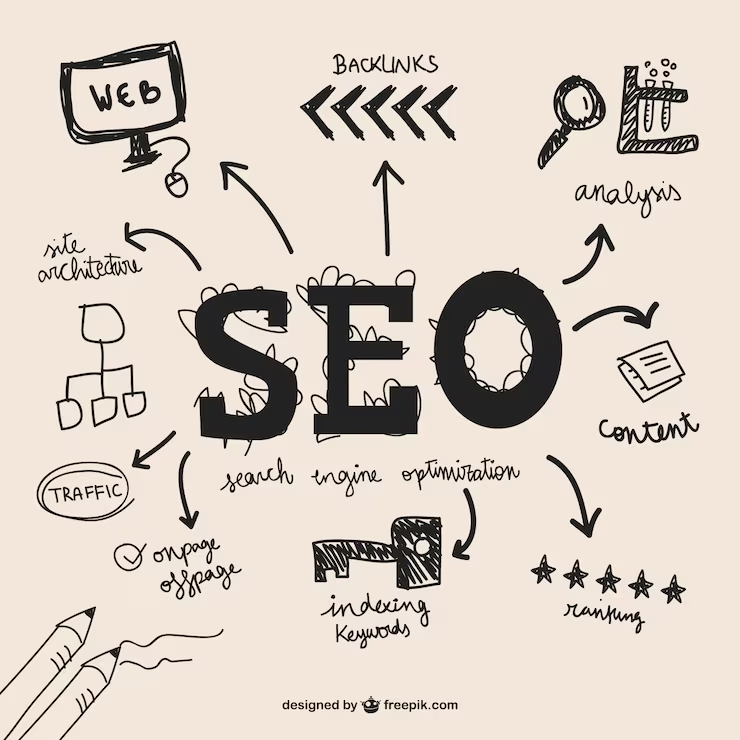
Search Engine Optimization (SEO) is the process of improving a website so that it appears higher in search engine results when people search for related products, services, or information. The main goal of SEO is to increase a website’s visibility and attract more organic (non-paid) traffic from search engines.
Search engines like Google, Bing, and Yahoo use complex algorithms to determine which websites should appear in search results. SEO helps websites meet the criteria used by these search engines so they can rank higher and be easily found by users.
How SEO Works
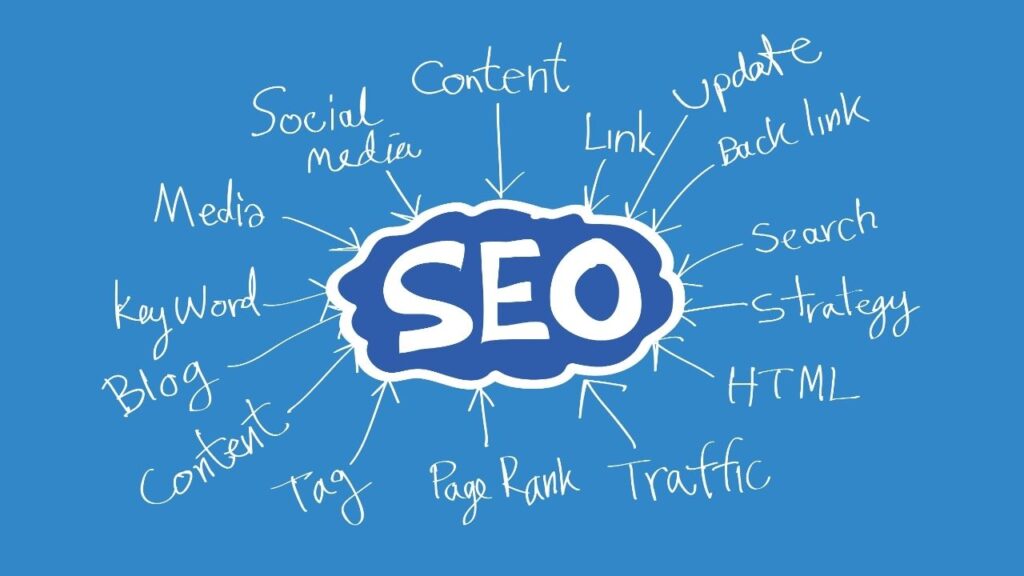
Search Engine Optimization (SEO) works by improving different aspects of a website so that search engines can easily understand, evaluate, and rank it in search results. When users search for information on search engines such as Google or Bing, the search engine scans millions of web pages and displays the most relevant and useful results. SEO helps websites meet the criteria used by search engines to determine which pages should appear at the top.
SEO mainly works through three important processes: crawling, indexing, and ranking.
1. Crawling
Crawling is the first step in the Search Engine Optimization (SEO) process where search engines discover new and updated web pages on the internet. Search engines use automated programs called web crawlers, bots, or spiders to scan websites and collect information about their content.
Search engines such as Google and Bing send these crawlers across the web to explore pages by following links from one page to another. The crawlers read the content, images, links, and structure of a webpage to understand what the page is about.
How Crawling Works
When a search engine crawler visits a website, it performs several actions:
- Discovering Web Pages
Crawlers find pages through links on other websites or through submitted sitemaps. - Scanning the Page Content
The crawler reads the text, images, headings, and metadata on the page to understand the topic. - Following Links
Crawlers follow internal and external links on the page to discover additional web pages. - Sending Information to the Search Engine Index
After scanning the page, the crawler sends the collected information to the search engine’s database for indexing.
Example of Crawling
For example, when a digital marketing agency publishes a new blog post on its website, search engine crawlers visit the page, analyze the content, and collect information about the keywords, headings, and links used in the article.
Why Crawling Is Important for SEO
Crawling is important because search engines cannot rank or display a webpage unless they first discover it. If a page is not crawled, it will not appear in search results.
Proper website structure, internal linking, and updated content help crawlers easily discover and scan web pages.
2. Indexing
Indexing is the second step in how search engines work, where the information collected during crawling is stored and organized in a search engine’s database. After a webpage is discovered by crawlers, search engines analyze its content and add it to their index so it can appear in search results.
Search engines like Google and Bing maintain massive databases that store billions of web pages. When a page is indexed, it becomes eligible to appear in search results when users search for related keywords.
How Indexing Works
Once a crawler scans a webpage, the search engine processes the information and stores it in its index. During indexing, the search engine analyzes different elements of the webpage, such as:
- Page content and keywords
- Headings and titles
- Images and multimedia
- Internal and external links
- Meta tags and descriptions
- Website structure
This information helps search engines understand the topic and relevance of the page.
Example of Indexing
For example, if a blog post about “Digital Marketing Trends” is published on a website, search engine crawlers will scan the page. After analyzing the content, the search engine stores the page in its index under related topics such as digital marketing, online marketing strategies, and marketing trends.
When users search for these topics, the indexed page may appear in the search results.
Why Indexing Is Important for SEO
Indexing is essential because a webpage cannot appear in search results unless it is included in the search engine’s index. Even if a website has high-quality content, it will not rank if the page is not indexed.
Proper SEO practices help ensure that pages are correctly indexed by search engines.
3. Ranking
Ranking is the final step in how search engines display results, where search engines determine the order in which web pages appear on the search engine results page (SERP). After a webpage is crawled and indexed, the search engine evaluates it to decide how relevant and useful it is for a user’s search query.
Search engines like Google and Bing use complex algorithms to analyze thousands of factors before deciding which pages should appear at the top of the search results.
How Ranking Works
When a user types a keyword or question into a search engine, the search engine scans its index and identifies pages that best match the query. It then ranks these pages based on several factors to provide the most relevant and useful results to the user.
The pages that best satisfy the search intent usually appear on the first page of search results, where they receive the majority of clicks and traffic.
Factors That Influence Ranking
Search engines consider many ranking factors when determining the position of a webpage, including:
1. Content Relevance
The content on the webpage should match the user’s search query and provide useful information.
2. Quality of Content
Search engines prioritize original, informative, and well-structured content that provides value to users.
3. Keywords Optimization
Using relevant keywords in titles, headings, and content helps search engines understand the topic of the page.
4. Backlinks
Links from other trustworthy websites act as signals of credibility and authority.
5. Website Speed
Fast-loading websites provide a better user experience and are favored by search engines.
6. Mobile-Friendliness
Websites that work well on mobile devices tend to rank higher since many users search using smartphones.
7. User Experience
Easy navigation, clear design, and engaging content improve user satisfaction and can positively influence rankings.
Why Ranking Is Important
Ranking determines how visible a website is to users. Websites that appear on the first page of search results receive significantly more traffic compared to those on later pages. Higher rankings help businesses attract more visitors, generate leads, and increase sales.h query.
4. Keyword Optimization
Keyword optimization is the process of researching, selecting, and using relevant keywords in website content so that search engines can understand the topic of a webpage and display it in search results when users search for related terms. It is an important part of Search Engine Optimization (SEO) because keywords connect what people are searching for with the content on a website.
Search engines such as Google and Bing analyze keywords within a webpage to determine whether the content matches a user’s search query.
What Are Keywords?
Keywords are the words or phrases that users type into search engines when looking for information, products, or services. For example, if someone searches for “best digital marketing agency,” the search engine will look for websites that contain content related to those keywords.
Keywords help search engines understand the main topic of a webpage and match it with relevant search queries.
Types of Keywords
1. Short-Tail Keywords
These are short and general keywords usually consisting of one or two words.
Example: Digital marketing
2. Long-Tail Keywords
These are longer and more specific phrases that target a particular search intent.
Example: Best digital marketing agency for small businesses
3. Branded Keywords
These include the name of a brand or company.
Example: Nike running shoes
4. Local Keywords
These include location-based terms to target local audiences.
Example: Digital marketing agency in Chenna
Types of SEO
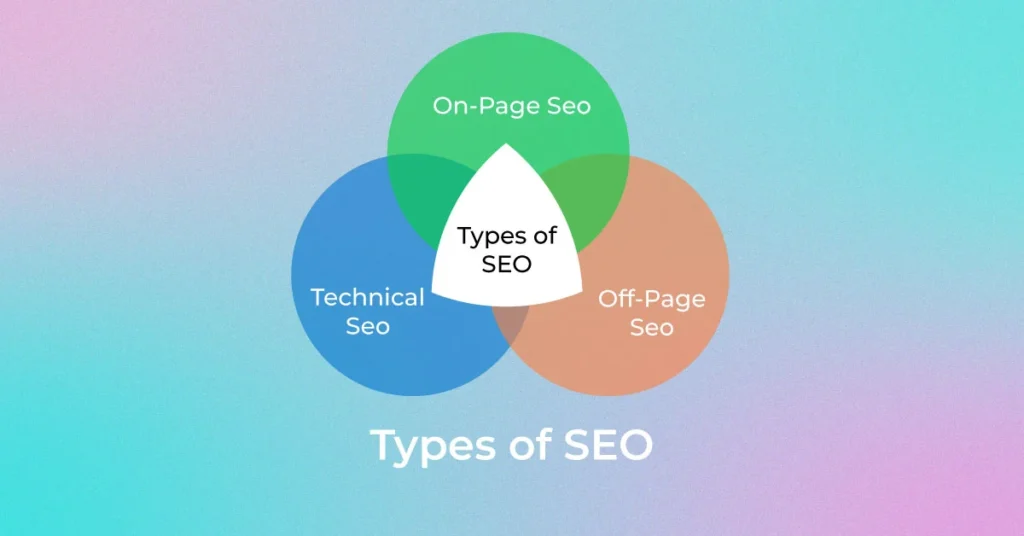
Search Engine Optimization (SEO) can be divided into different types based on the areas of a website that are optimized to improve search engine rankings. Each type focuses on a specific aspect of improving visibility and performance in search engine results. Together, these SEO strategies help websites rank higher on search engines like Google and Bing.
1. On-Page SEO
On-Page SEO refers to the optimization of elements within a website to improve its ranking in search engine results. It focuses on improving the content and structure of individual web pages so that search engines can easily understand them.
Key elements of On-Page SEO include:
- Optimizing page titles and headings
- Using relevant keywords in content
- Writing clear meta descriptions
- Adding image alt text
- Improving internal linking
- Creating high-quality and valuable content
On-Page SEO ensures that a webpage is well-structured and relevant to the search query.
2. Off-Page SEO
Off-Page SEO involves activities that take place outside the website but help improve its authority and credibility. It mainly focuses on building the website’s reputation across the internet.
The most important part of Off-Page SEO is backlinks, which are links from other websites pointing to your site. Search engines consider backlinks as a sign that the website provides valuable and trustworthy content.
Common Off-Page SEO activities include:
- Building backlinks from reputable websites
- Social media marketing
- Influencer collaborations
- Guest blogging
- Brand mentions on other websites
Off-Page SEO helps increase a website’s authority and trustworthiness.
3. Technical SEO
Technical SEO focuses on improving the technical aspects of a website so that search engines can crawl, index, and rank it efficiently. It ensures that the website functions properly and provides a good user experience.
Important factors in Technical SEO include:
- Improving website loading speed
- Making the website mobile-friendly
- Ensuring secure connections (HTTPS)
- Creating XML sitemaps
- Fixing broken links
- Optimizing website structure and navigation
Technical SEO helps search engines access and understand website content more effectively.
4. Local SEO
Local SEO focuses on optimizing a business’s online presence to attract customers from a specific geographic location. It is particularly important for businesses that serve local customers such as restaurants, shops, and service providers.
Local SEO strategies include:
- Creating and optimizing a business profile on Google Business Profile
- Using location-based keywords
- Collecting customer reviews
- Ensuring accurate business information (address, phone number, hours)
Local SEO helps businesses appear in local search results and maps when people search for nearby services.
Why SEO Is Important for Businesses
1. Increases Website Visibility
SEO helps businesses appear in search results when potential customers look for products or services online.
2. Drives Organic Traffic
Higher search rankings bring more visitors to a website without paying for advertisements.
3. Builds Trust and Credibility
Websites that appear at the top of search results are often perceived as more trustworthy and reliable.
4. Improves User Experience
SEO practices such as faster loading pages and mobile-friendly design enhance the overall user experience.
5. Supports Long-Term Marketing Growth
Unlike paid ads that stop generating traffic once the budget ends, SEO provides long-term benefits by continuously attracting visitors.
Conclusion
Search Engine Optimization (SEO) is an essential digital marketing strategy that helps businesses improve their online visibility and attract potential customers through search engines. By understanding how SEO works—through processes like crawling, indexing, ranking, and keyword optimization—businesses can ensure their websites are easily discoverable by users searching for relevant products or services.
Different types of SEO, including on-page SEO, off-page SEO, and technical SEO, work together to enhance a website’s performance and credibility in search engine results. When implemented effectively, SEO helps increase organic traffic, build brand trust, and improve the overall user experience.
In today’s competitive digital environment, investing in SEO is no longer optional but necessary for long-term business growth. Businesses that focus on strong SEO practices can gain a competitive advantage, reach their target audience more effectively, and achieve sustainable online success.