
Digital marketing is evolving rapidly as technology, consumer behavior, and online platforms continue to change. Businesses that stay updated with the latest marketing trends can reach more customers, improve engagement, and increase sales. Here are the top digital marketing trends businesses should know in 2026.
1. Artificial Intelligence (AI) in Marketing
Artificial Intelligence (AI) is transforming the way businesses approach digital marketing. AI refers to technologies that allow computers and software to analyze data, learn patterns, and make intelligent decisions with minimal human intervention. In marketing, AI helps businesses understand customer behavior, automate tasks, personalize content, and improve campaign performance.
Today, companies use AI-powered tools to make marketing faster, more accurate, and more efficient. Instead of relying only on manual work, marketers can now use AI to analyze large amounts of data and generate insights that help them make better marketing decisions.
How AI Is Used in Digital Marketing
1. Customer Data Analysis
AI can analyze large volumes of customer data, including browsing behavior, purchase history, and online interactions. This helps businesses understand customer preferences and predict future buying behavior. With these insights, companies can create targeted marketing campaigns that reach the right audience.
2. Personalized Marketing
AI enables businesses to deliver personalized experiences to customers. For example, online stores recommend products based on previous purchases or browsing history. Personalized emails, ads, and content help improve customer engagement and increase conversion rates.
3. Chatbots and Customer Support
AI-powered chatbots are widely used on websites and social media platforms to provide instant customer support. Chatbots can answer common questions, guide users through products or services, and provide support 24/7. This improves customer experience while reducing the workload on human support teams.
4. Content Creation and Optimization
AI tools help marketers create blog posts, social media captions, product descriptions, and marketing copy more quickly. These tools can also analyze which types of content perform best and suggest improvements for better engagement.
5. Advertising Optimization
AI is widely used in online advertising to optimize campaigns. Platforms like Google Ads and social media advertising systems use AI algorithms to target the most relevant audiences, adjust bids automatically, and improve ad performance. This helps businesses achieve better results with lower advertising costs.
6. Predictive Marketing
Predictive analytics uses AI to forecast future customer behavior based on past data. Businesses can predict which products customers may buy, when they are likely to make a purchase, and what type of content they will engage with. This helps companies create more effective marketing strategies.
Benefits of AI in Marketing
- Improves marketing efficiency and automation
- Helps businesses understand customer behavior
- Enables personalized marketing experiences
- Enhances customer engagement and satisfaction
- Optimizes advertising campaigns for better ROI
Challenges of AI in Marketing
While AI offers many benefits, there are also some challenges. Businesses must ensure proper data privacy and security when collecting customer information. Additionally, AI tools require quality data and proper management to produce accurate results. Companies should also balance automation with human creativity to maintain authentic brand communication.
2. Short-Form Video Content

Short-form video content has become one of the most powerful trends in digital marketing. These are short videos, typically lasting from 15 seconds to 60 seconds, designed to capture attention quickly and deliver a message in a short time. With the rise of social media platforms and decreasing attention spans, short-form videos have become a highly effective way for businesses to connect with their audience.
Platforms such as Instagram Reels, TikTok, and YouTube Shorts have made short videos extremely popular. These platforms promote engaging video content through their algorithms, allowing brands to reach a wider audience and increase visibility.
Why Short-Form Video Is Important
Short-form videos are engaging, easy to consume, and highly shareable. People prefer watching short videos because they quickly deliver useful information, entertainment, or inspiration. For businesses, this format provides an opportunity to showcase products, explain services, and build brand awareness in a creative way.
Another major advantage is that short-form videos often have higher engagement rates compared to traditional posts or long videos. They encourage users to like, comment, and share, which increases the reach of the content.
How Businesses Use Short-Form Video
1. Product Demonstrations
Businesses use short videos to show how their products work, highlight key features, or demonstrate product benefits. This helps customers understand the product quickly.
2. Educational Content
Brands create quick tips, tutorials, and marketing insights that provide value to viewers. Educational videos help build trust and position the brand as an expert in its field.
3. Behind-the-Scenes Content
Companies often share behind-the-scenes videos to show their team, work process, or company culture. This makes the brand more relatable and authentic.
4. Customer Testimonials
Short videos featuring satisfied customers can build credibility and influence potential buyers.
5. Trending Content and Challenges
Businesses can participate in trending topics, music, or challenges to increase visibility and connect with a broader audience.
Benefits of Short-Form Video Marketing
- Captures audience attention quickly
- Increases engagement and social shares
- Improves brand awareness and visibility
- Easy to create and distribute across multiple platforms
- Helps businesses communicate messages quickly
Tips for Creating Effective Short-Form Videos
- Keep the message clear and simple
- Capture attention within the first few seconds
- Use captions or text overlays
- Focus on storytelling or value
- Follow current trends and hashtags
3. Voice Search Optimization

Voice Search Optimization is becoming an important part of digital marketing as more people use voice assistants and smart devices to search for information online. Instead of typing queries, users now speak naturally when searching for products, services, or information. Voice search is commonly used through devices like smartphones, smart speakers, and virtual assistants such as Google Assistant, Apple Siri, and Amazon Alexa.
As voice technology continues to grow, businesses need to optimize their websites and content so they can appear in voice search results. This helps brands reach customers more effectively and improve online visibility.
Why Voice Search Is Important
Voice search is becoming popular because it is faster and more convenient than typing. Many users ask questions in a conversational way, such as “Where is the best digital marketing agency near me?” or “What are the latest digital marketing trends?”
Because of this behavior, search engines try to provide quick and accurate answers. Businesses that optimize their content for voice search have a higher chance of appearing in these results.
How Voice Search Works
Voice search uses advanced technologies such as speech recognition and natural language processing to understand what users are saying. Search engines analyze the spoken query and provide the most relevant results, often in the form of featured snippets or quick answers.
Unlike traditional search queries that are short keywords, voice searches are usually longer and more conversational.
Strategies for Voice Search Optimization
1. Use Conversational Keywords
Voice search queries often sound like natural conversations. Businesses should include long-tail keywords and question-based phrases such as “how,” “what,” “where,” and “why.”
2. Optimize for Local Search
Many voice searches are location-based, such as “restaurants near me” or “best marketing agency nearby.” Optimizing your website with local keywords and updating your business profile can improve visibility in local searches.
3. Create FAQ Sections
Adding a Frequently Asked Questions section on your website helps answer common customer queries. This increases the chances of your content appearing in voice search results.
4. Improve Website Speed and Mobile Experience
Voice searches are mostly performed on mobile devices. A fast-loading and mobile-friendly website improves user experience and search rankings.
5. Focus on Featured Snippets
Search engines often read featured snippets aloud during voice searches. Creating clear, concise answers to common questions can increase the chances of being selected as a featured snippet.
Benefits of Voice Search Optimization
Provides a competitive advantage for businesses
Improves website visibility in search results
Helps reach mobile and smart device users
Increases local search traffic
Enhances user experience
4. Social Commerce
Social commerce is the process of selling products or services directly through social media platforms. Instead of directing customers to a separate website, businesses allow users to discover, explore, and purchase products within social media apps. This trend has transformed social media from a communication platform into a powerful online marketplace.
Popular platforms like Instagram, Facebook, TikTok, and Pinterest offer features such as product tags, in-app checkout, and shoppable posts that make it easier for customers to buy products without leaving the platform.
Why Social Commerce Is Important
Social media platforms have billions of active users worldwide. Many people discover new products through social media posts, influencer recommendations, and brand advertisements. Social commerce shortens the customer journey by allowing users to move directly from product discovery to purchase within the same platform.
This convenience increases conversion rates and helps businesses generate more sales while also improving customer engagement.
How Social Commerce Works
In social commerce, businesses create product listings within social media platforms. These products can be tagged in posts, stories, or videos. When users click on the product tag, they can view product details, pricing, and purchase options.
Many platforms now offer integrated shopping features where customers can complete their purchases without leaving the app, making the buying process faster and smoother.
Strategies for Successful Social Commerce
1. Create Shoppable Posts
Businesses can tag products in their social media posts so users can easily view product details and purchase them.
2. Use Influencer Marketing
Collaborating with influencers helps brands reach a wider audience and build trust with potential customers.
3. Share High-Quality Visual Content
Attractive images and engaging videos can grab attention and encourage users to explore products.
4. Provide Customer Reviews and Testimonials
User reviews and feedback help build credibility and influence purchase decisions.
5. Engage with Customers
Responding to comments, messages, and questions builds relationships and improves customer satisfaction.
Benefits of Social Commerce
Improves conversion rates
Simplifies the online shopping experience
Increases brand visibility and engagement
Helps businesses reach new audiences
Encourages impulse purchases
5. Hyper-Personalized Marketing

Hyper-personalized marketing is an advanced marketing strategy that uses data, artificial intelligence, and technology to deliver highly customized content, offers, and experiences to individual customers. Unlike traditional personalization, which may only include using a customer’s name in emails, hyper-personalization analyzes deeper data such as browsing behavior, purchase history, preferences, and real-time interactions.
By using these insights, businesses can deliver the right message to the right customer at the right time, making marketing more relevant and effective.
Why Hyper-Personalization Is Important
Today’s consumers expect brands to understand their needs and provide relevant recommendations. Generic marketing messages often fail to capture attention, while personalized experiences create stronger engagement and trust.
Hyper-personalization helps businesses improve customer relationships by offering products, services, and content that match individual interests and preferences.
How Hyper-Personalized Marketing Works
Hyper-personalization uses technologies such as artificial intelligence, machine learning, and data analytics to collect and analyze customer information. This data is then used to create tailored marketing messages across different channels like email, websites, and social media.
For example, e-commerce platforms such as Amazon recommend products based on customers’ previous purchases and browsing history. Streaming platforms like Netflix suggest movies and shows according to users’ viewing preferences.
Examples of Hyper-Personalized Marketing
1. Personalized Product Recommendations
Online stores recommend products based on customers’ browsing and purchase history.
2. Targeted Email Campaigns
Businesses send personalized emails with offers and content tailored to individual interests.
3. Dynamic Website Content
Websites display customized content depending on user behavior, location, or preferences.
4. Personalized Advertisements
Online ads are targeted to specific audiences based on demographics, interests, and past interactions.
5. Location-Based Marketing
Businesses send special offers or notifications based on a user’s geographic location.
6. First-Party Data Strategy
A First-Party Data Strategy refers to the process of collecting, managing, and using data that businesses gather directly from their customers. This data is collected through a company’s own platforms such as websites, mobile apps, email subscriptions, customer surveys, and purchase records. Unlike third-party data, which is purchased from external sources, first-party data comes directly from customer interactions with a brand.
With increasing privacy regulations and the gradual phase-out of third-party cookies, businesses are focusing more on first-party data to understand their customers and create effective marketing strategies.
Why First-Party Data Is Important
First-party data is considered more reliable and accurate because it is collected directly from customers. It helps businesses gain deeper insights into customer behavior, preferences, and needs. By using this data, companies can create more personalized marketing campaigns and build stronger relationships with their audience.
Another advantage is that first-party data allows businesses to maintain better control over their marketing information without relying heavily on external platforms.
Sources of First-Party Data
Businesses can collect first-party data from various sources, including:
1. Website Interactions
Data collected from website visits, page views, and user behavior helps businesses understand what content customers are interested in.
2. Email Subscriptions
When customers sign up for newsletters or updates, businesses collect valuable information such as names, email addresses, and preferences.
3. Customer Purchase Data
Information about previous purchases, order history, and transaction details helps companies understand buying patterns.
4. Surveys and Feedback Forms
Customer feedback provides insights into satisfaction levels, preferences, and expectations.
5. Customer Relationship Management (CRM) Systems
CRM tools store detailed customer data and interaction history, helping businesses manage relationships more effectively.
How Businesses Use First-Party Data
1. Personalized Marketing Campaigns
Businesses can send targeted emails, advertisements, and offers based on customer interests and behavior.
2. Customer Segmentation
Companies can group customers based on demographics, preferences, or purchase history to create more effective marketing strategies.
3. Improved Customer Experience
By understanding customer needs, businesses can improve their products, services, and website experiences.
4. Better Marketing Decisions
First-party data provides valuable insights that help marketers make informed decisions and optimize campaigns.
7. Zero-Click Search and AI Search Results
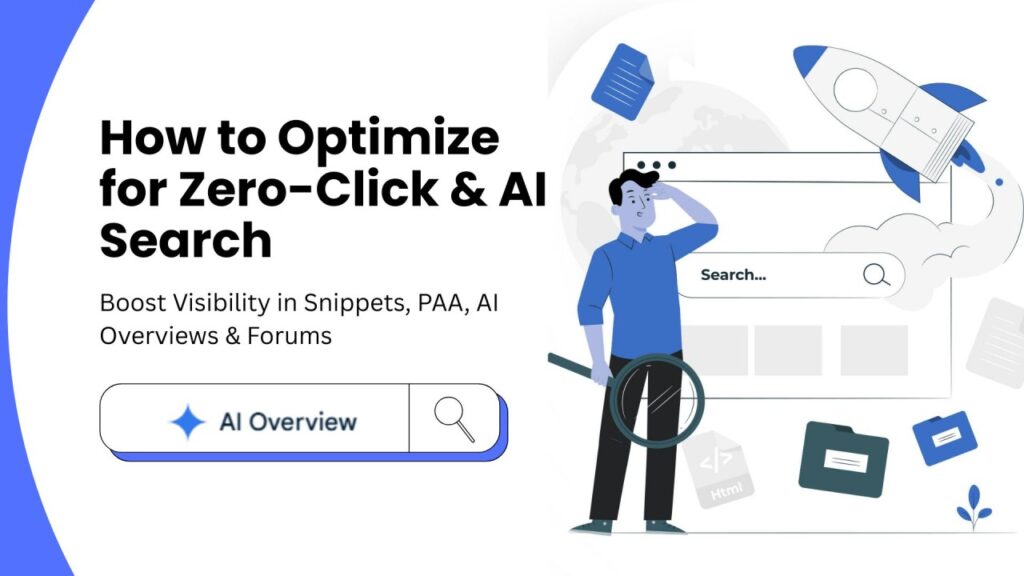
Zero-click search refers to a search result where users get the information they need directly on the search engine results page (SERP) without clicking on any website link. Search engines now display quick answers, summaries, and information boxes that allow users to find answers instantly.
With the advancement of artificial intelligence, search engines such as Google and Microsoft are increasingly using AI to provide summarized answers and enhanced search experiences through tools like Google Search Generative Experience and Microsoft Copilot. These AI-powered features analyze multiple sources and present clear responses directly in the search results.
What Is Zero-Click Search?
In traditional search results, users click on a website link to find information. However, in zero-click searches, the search engine provides the answer directly on the results page through elements such as:
- Featured snippets
- Knowledge panels
- Quick answer boxes
- AI-generated summaries
- Local business listings
- Weather, maps, and calculator results
Because users get answers instantly, they may not need to visit any external website.
Why Zero-Click Searches Are Increasing
Several factors contribute to the growth of zero-click searches. First, search engines aim to provide faster and more convenient answers to users. Second, mobile searches and voice searches require quick results. Third, AI technology helps search engines analyze large amounts of data and deliver precise answers.
As a result, search engines are becoming more like information platforms rather than just directories of links.
Impact on Digital Marketing
Zero-click search has a significant impact on digital marketing strategies. While it may reduce the number of website clicks, it also increases the importance of appearing in search results. Businesses must optimize their content so that it is featured in snippets or AI summaries.
Being visible in these search features can improve brand awareness and credibility even if users do not immediately click on the website.
Strategies to Optimize for Zero-Click Searches
1. Optimize for Featured Snippets
Create clear and concise answers to common questions. Structured content such as lists, tables, and short paragraphs increases the chances of appearing in featured snippets.
2. Use Question-Based Content
Include frequently asked questions and conversational queries that match how users search for information.
3. Improve Local SEO
Many zero-click searches are related to local businesses. Maintaining accurate business information and reviews helps improve visibility in local search results.
4. Use Structured Data Markup
Structured data helps search engines understand website content better and display it in rich search results.
5. Focus on High-Quality Content
Search engines prioritize reliable, informative, and well-organized content when generating quick answers and AI summaries.
8. Influencer and Micro-Influencer Marketing
Influencer marketing is a digital marketing strategy where businesses collaborate with individuals who have a strong following on social media to promote their products or services. These individuals, known as influencers, have the ability to influence the purchasing decisions of their audience through recommendations, reviews, and engaging content.
Social media platforms such as Instagram, YouTube, TikTok, and Facebook have made influencer marketing one of the most effective ways for brands to reach potential customers.
What Is Influencer Marketing?
Influencer marketing involves partnering with popular content creators who promote products or services to their followers. These influencers build trust with their audience by sharing personal experiences, tutorials, or reviews. Because of this trust, their recommendations often feel more authentic than traditional advertisements.
Brands collaborate with influencers to increase brand awareness, reach new audiences, and generate more sales.
What Are Micro-Influencers?
Micro-influencers are social media creators who typically have a smaller but highly engaged audience, usually between 10,000 and 100,000 followers. Unlike celebrity influencers with millions of followers, micro-influencers often focus on a specific niche such as fashion, technology, fitness, food, or travel.
Their audience tends to trust their opinions more, which often results in higher engagement and stronger influence on purchasing decisions.
Why Businesses Prefer Micro-Influencers
Many brands are now choosing micro-influencers because they offer several advantages. Their followers are usually more loyal and engaged, and their content feels more genuine and relatable. In addition, collaborating with micro-influencers is often more cost-effective compared to working with large celebrity influencers.
Common Types of Influencer Marketing
1. Sponsored Posts
Brands pay influencers to create and share content promoting a product or service.
2. Product Reviews
Influencers review a product and share their honest opinion with their audience.
3. Giveaways and Contests
Brands collaborate with influencers to host giveaways, helping increase brand exposure and follower growth.
4. Affiliate Marketing
Influencers promote products using unique referral links and earn a commission for each sale.
5. Brand Ambassadors
Influencers work with brands for a longer period and consistently promote their products.
Benefits of Influencer and Micro-Influencer Marketing
- Increases brand awareness
- Builds trust and credibility with audiences
- Reaches targeted niche communities
- Improves engagement on social media
- Drives traffic and sales for businesses
Challenges of Influencer Marketing
Although influencer marketing can be highly effective, businesses must carefully choose influencers who align with their brand values and audience. Authenticity is important, as audiences can quickly recognize promotions that feel forced or inauthentic.
9. Omnichannel Marketing
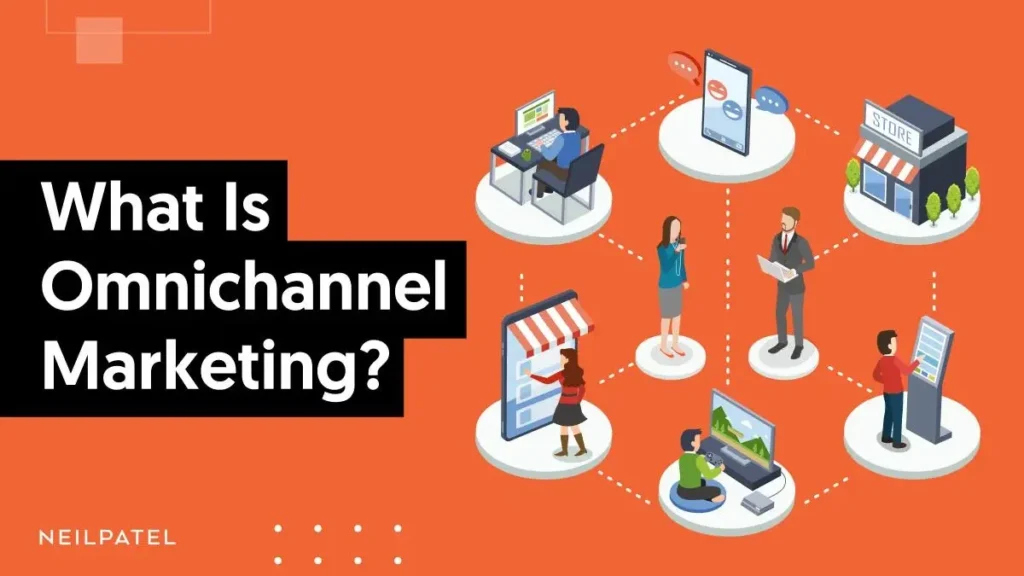
Omnichannel marketing is a strategy where businesses provide a seamless and consistent customer experience across multiple marketing channels. These channels may include websites, social media, email, mobile apps, online ads, and physical stores. The goal of omnichannel marketing is to ensure that customers have a smooth and connected experience with a brand, regardless of the platform they use.
Today’s customers interact with brands through different touchpoints. For example, a customer may discover a product on Instagram, research it on a website, receive promotional emails through Gmail, and finally purchase it through an online store. Omnichannel marketing ensures that all these interactions are connected and consistent.
Why Omnichannel Marketing Is Important
Modern consumers expect convenience and flexibility when interacting with brands. If a customer starts browsing a product on one platform and continues on another, they expect the experience to remain consistent. Omnichannel marketing helps businesses meet these expectations by integrating all marketing channels into a unified system.
By connecting these channels, businesses can provide better customer experiences, improve engagement, and increase customer loyalty.
Key Channels Used in Omnichannel Marketing
Businesses use several channels to create an effective omnichannel strategy, including:
1. Social Media Platforms
Platforms such as Facebook, Instagram, and YouTube help brands interact with audiences and promote products.
2. Websites and E-commerce Platforms
A company’s website acts as a central hub where customers can explore products, services, and detailed information.
3. Email Marketing
Email campaigns help businesses communicate personalized offers, updates, and promotions directly to customers.
4. Mobile Apps
Mobile apps allow brands to provide personalized experiences, notifications, and easy purchasing options.
5. Offline Stores and Customer Support
Physical stores and customer support channels also play an important role in creating a consistent brand experience.
Benefits of Omnichannel Marketing
- Provides a seamless customer experience across multiple platforms
- Improves customer engagement and satisfaction
- Increases brand loyalty and trust
- Helps businesses understand customer behavior better
- Boosts sales and conversion rates
Strategies for Successful Omnichannel Marketing
1. Integrate All Marketing Channels
Ensure that all platforms such as websites, social media, and email marketing work together to provide a consistent experience.
2. Use Customer Data Effectively
Analyze customer data to understand behavior and preferences, which helps create personalized marketing campaigns.
3. Maintain Consistent Brand Messaging
Ensure that the brand voice, design, and message remain consistent across all channels.
4. Focus on Customer Experience
Make it easy for customers to move between different platforms while interacting with the brand.
10. Authentic and Human-Centered Branding
Authentic and human-centered branding is a marketing approach that focuses on building genuine relationships with customers by emphasizing honesty, transparency, and emotional connection. In today’s digital world, consumers prefer brands that feel real, relatable, and trustworthy rather than those that rely only on traditional promotional messages.
Human-centered branding places the customer at the center of every marketing strategy. It focuses on understanding customer needs, values, and experiences, and creating meaningful interactions that build long-term trust and loyalty.
Why Authentic Branding Is Important
Modern consumers are more informed and selective about the brands they support. They are not only interested in products or services but also in the values and mission of a company. Brands that communicate honestly and show real personality tend to build stronger relationships with their audience.
Authentic branding helps businesses stand out in a crowded digital marketplace by creating emotional connections with customers.
Key Elements of Authentic and Human-Centered Branding
1. Transparency and Honesty
Brands that openly communicate their values, policies, and business practices build greater trust with customers.
2. Storytelling
Sharing real stories about the brand’s journey, mission, and impact helps customers connect with the brand on a personal level.
3. Customer-Centric Approach
Human-centered brands prioritize customer needs and focus on providing meaningful solutions rather than just selling products.
4. Consistent Brand Voice
Maintaining a consistent and relatable brand voice across platforms helps build a recognizable identity.
5. Community Engagement
Interacting with customers through comments, messages, and social media discussions helps create stronger relationships.
How Businesses Apply Human-Centered Branding
Businesses apply this approach by focusing on meaningful communication and building trust with their audience. For example, brands often share behind-the-scenes content, customer stories, and real-life experiences to make their brand more relatable.
Companies also actively listen to customer feedback and use it to improve their products, services, and marketing strategies.
Benefits of Authentic Branding
- Builds strong trust and credibility
- Creates emotional connections with customers
- Improves brand loyalty and long-term relationships
- Differentiates the brand from competitors
- Encourages positive word-of-mouth marketing
Challenges of Authentic Branding
While authenticity is important, brands must ensure that their messaging is genuine and consistent. Customers can easily identify when a brand appears insincere or overly promotional. Businesses must remain true to their values and deliver on their promises.
✅ Conclusion
Digital marketing is constantly evolving as technology, consumer behavior, and online platforms continue to change. Trends such as Artificial Intelligence, short-form video content, voice search optimization, social commerce, hyper-personalized marketing, first-party data strategies, zero-click search results, influencer marketing, omnichannel marketing, and authentic branding are shaping the future of the digital marketing landscape.
Businesses that understand and adopt these trends can improve their marketing effectiveness, reach wider audiences, and build stronger relationships with their customers. Modern consumers expect personalized experiences, quick access to information, and meaningful interactions with brands across different digital platforms.
Therefore, companies must stay updated with new technologies and marketing strategies to remain competitive in the digital marketplace. By focusing on innovation, customer engagement, and data-driven decision making, businesses can create successful digital marketing campaigns and achieve sustainable growth in the rapidly changing digital world.